
What is nano ceramic coating?
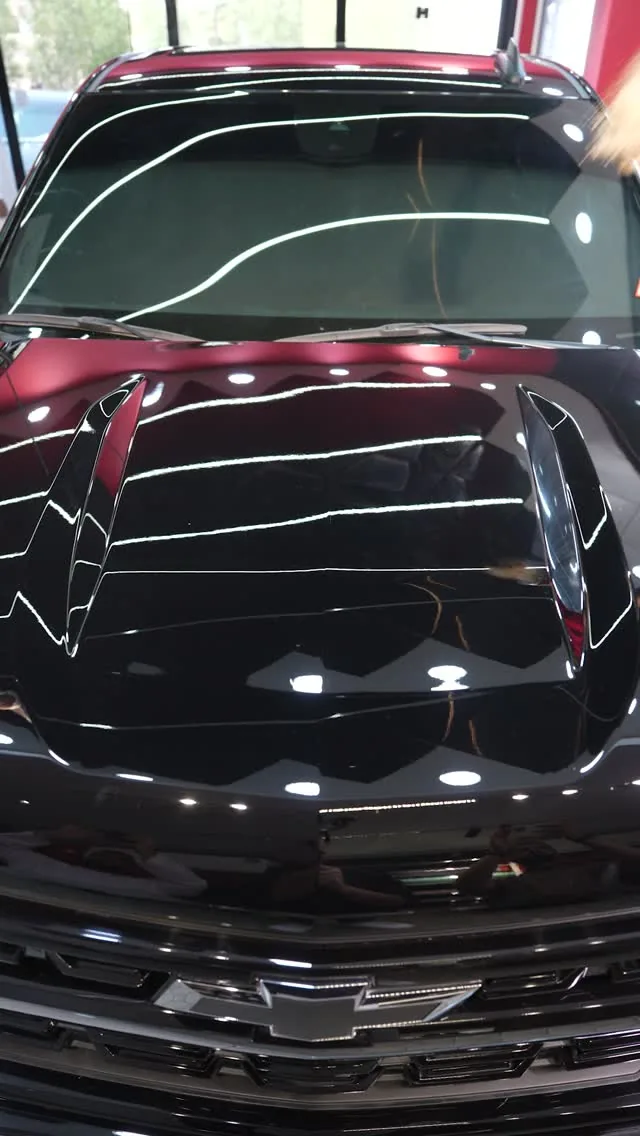
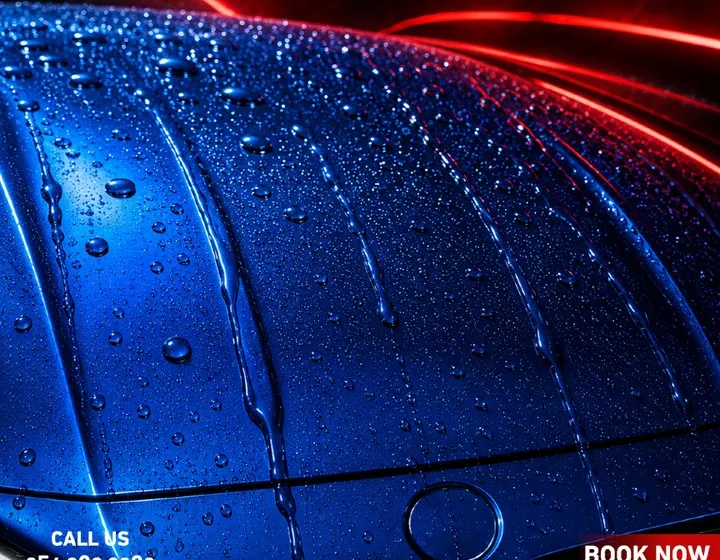
Nano ceramic is a liquid protective layer applied to the paint that bonds with it. It adds gloss and depth of colour and makes the surface hydrophobic — water beads up and rolls off instead of sticking and leaving marks.
Its main benefit: it keeps the shine, makes washing easier and protects the paint from daily exposure like sun, humidity and dirt. But it’s a thin layer, so it won’t stop a hard stone chip.
What is paint protection film (PPF)?
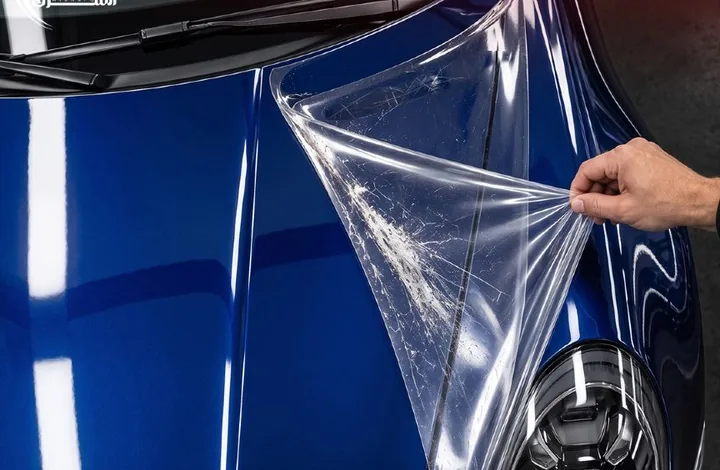
PPF is a thick, clear film applied over the paint. Its main job is physical protection: stones and light scratches hit the film instead of reaching the paint.
Because it’s clear, it doesn’t change your car’s colour. It’s the strongest choice if you drive a lot on highways, or your car is new with original paint and you want to protect its value.
The comparison in short
If your goal is gloss, easy cleaning and everyday protection → nano ceramic. If your goal is protecting the paint from stone chips and scratches and preserving value → PPF.
- Nano ceramic: gloss and depth, repels water and dust, easier washing.
- PPF: a shield against chips and scratches, keeps the original paint, clear.
- Both together: PPF on the chip-prone areas + ceramic on top for gloss and water repellency.
Why do many owners combine both?
Because each one completes the other. PPF goes on the front bumper, bonnet and mirrors (the areas that take the most chips), and nano ceramic goes on the rest of the car — or on top of the film — for gloss and water repellency.
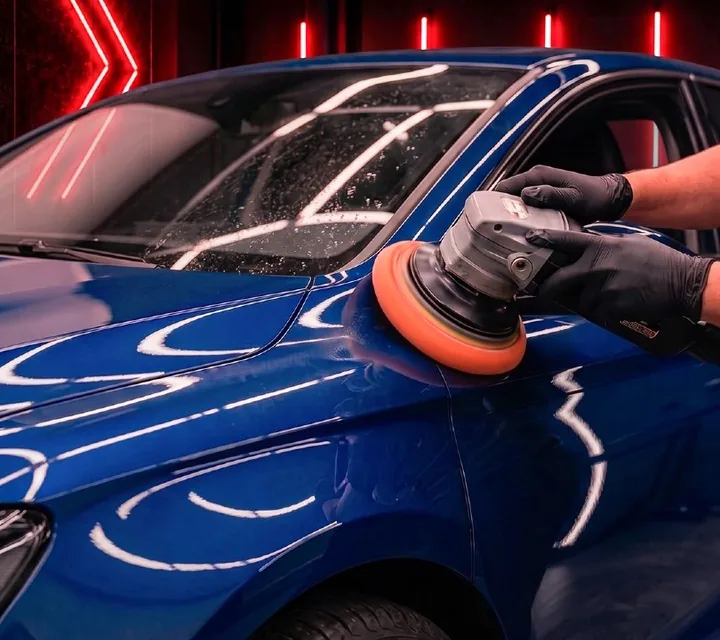
Before any protection, the paint should be clean and corrected with a polish, so the coating locks in a real shine, not scratches.
Our advice for cars in Fujairah
Fujairah has humidity, heat and dust, and mountain and highway roads expose the front of the car to stone chips. If your car is new or high-value: PPF on the front + nano ceramic. If you want gloss and everyday protection on a smaller budget: polish + nano ceramic.
Not sure? Send us a photo of your car on WhatsApp and we’ll suggest what fits best.